What stops a member of parliament from using their position to financially benefit themselves?
There are rules in place to make the financial interests of members of parliament public and ensure their decisions can be examined and questioned.
Senators and members of the House of Representatives are expected to make decisions in the public interest. They must declare their financial interests so that any potential conflicts between their personal finances and their public duties are visible. For example, they must declare if they own a property, own shares in a company, have a role in a business, or receive gifts related to their work. This information is recorded in a register that can be viewed by everyone.
Because financial interests must be declared publicly, they can be scrutinised – carefully examined and questioned. Members of parliament, the media and the public can all review this information and raise concerns about possible conflicts of interest. If concerns are raised, a senator or member may be required to explain their actions and whether they have properly declared and managed a conflict of interest. Deliberately failing to declare an interest can be treated as a serious matter by Parliament.
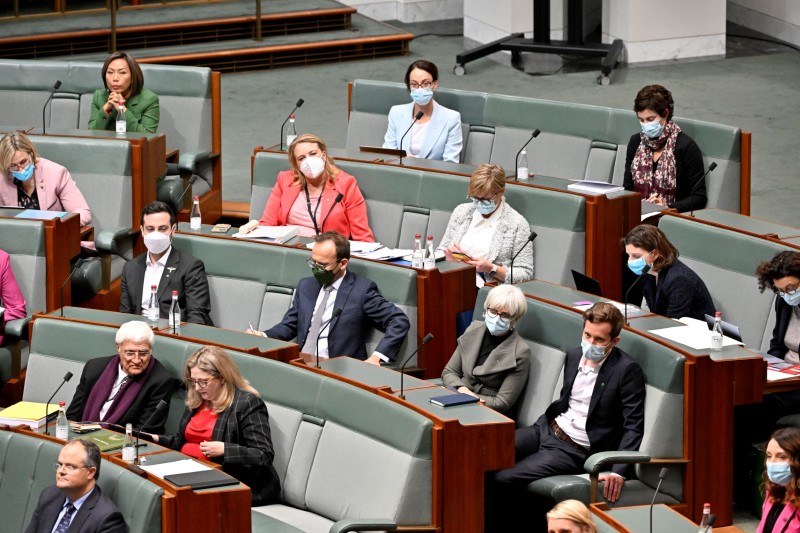
Independent and minor party members working in the House of Representatives
Paul Furness/DPS Auspic
Independent and minor party members working in the House of Representatives
Paul Furness/DPS Auspic
Description
Independent and minor party members speaking to each other, listening, reading or working on their devices in the House of Representatives. One member is receiving papers from an attendant.
Permission should be sought from DPS AUSPIC for third-party or commercial uses of this image. To contact DPS AUSPIC email: auspic@aph.gov.au or phone: 02 6277 3342.