Why is there a limit on how long members of Parliament can speak?
That’s a great question, Vicki.
There are limits on how long members of Parliament can speak so that meetings of Parliament can run in an orderly and timely way, and so that many members have a chance to contribute to debates.
In the past, there were no limits on how long senators and members could speak. It was thought that they had an important duty to perform and should not be restricted when putting their case to the Australian Parliament.
However, in 1918 Senator Albert Gardiner spoke for 12 hours and 40 minutes on the Commonwealth Electoral Bill 1918. This is the longest speech in Australian parliamentary history. It was so long he was occasionally allowed to speak while seated. After this, the Senate and House decided there should be time limits for speeches.
Most debates now have a list of speakers, and members of parliament generally get one opportunity to make one 15 to 20 minute speech at each stage of a bill. There are different time limits for asking and answering questions, and for making statements. All of these time limits are listed in the standing orders – the rules of the Senate and the House of Representatives.
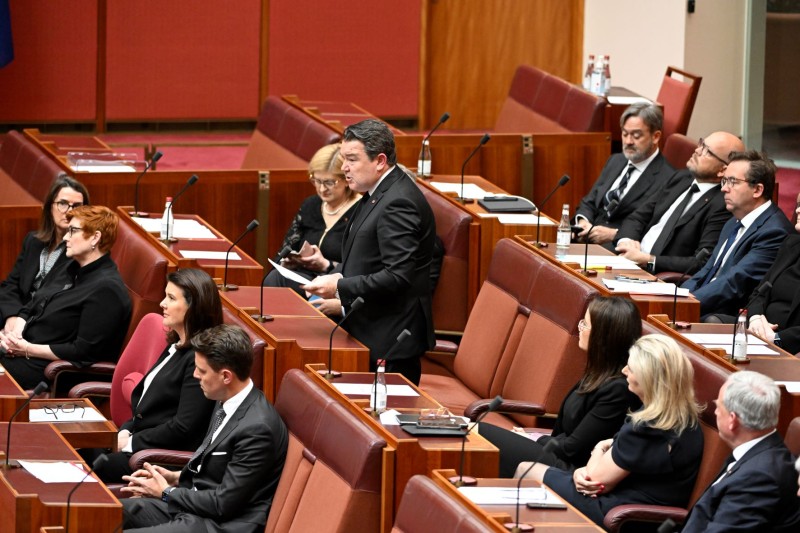
A senator speaking in the Senate
DPS Auspic
A senator speaking in the Senate
DPS Auspic
Description
A senator speaking in the Senate.
Permission should be sought from DPS AUSPIC for third-party or commercial uses of this image. To contact DPS AUSPIC email: auspic@aph.gov.au or phone: 02 6277 3342.