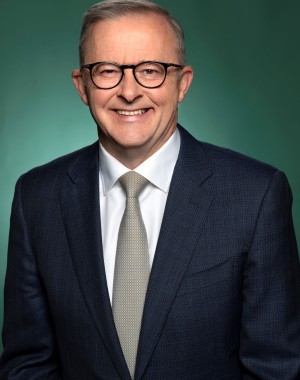
Prime Minister of Australia
Mr Albanese is also the leader of the Australian Labor Party.
The Prime Minister is the leader of the Australian Government.
Meet the leaders in the current Australian Parliament including leaders in government and opposition, Presiding Officers and Australia's head of state.
Mr Albanese is also the leader of the Australian Labor Party.
The Prime Minister is the leader of the Australian Government.
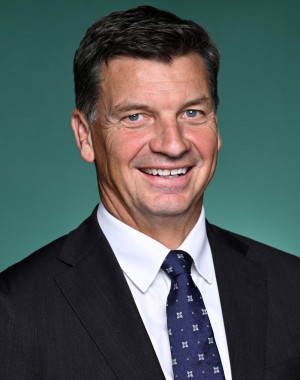
Mr Taylor is also the leader of the Liberal Party of Australia.
The Leader of the Opposition is a member of parliament who leads the largest party or coalition of parties that is not in government.
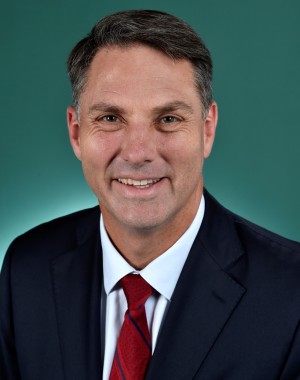
The Deputy Prime Minister becomes the Acting Prime Minister when the Prime Minister is absent from Australia or on leave.
They become the caretaker Prime Minister if the Prime Minister dies.

Senator the Hon Matthew Canavan
The opposition is formed by a coalition of The Nationals and the Liberal Party of Australia.
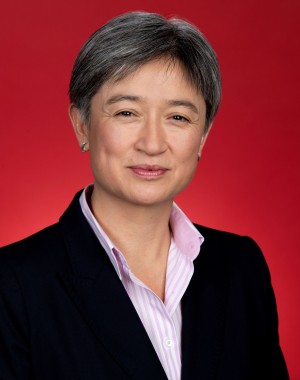
The Leader of the Government in the Senate is chosen by their party or coalition of parties to lead them in the Senate and is the main government spokesperson in the Senate.
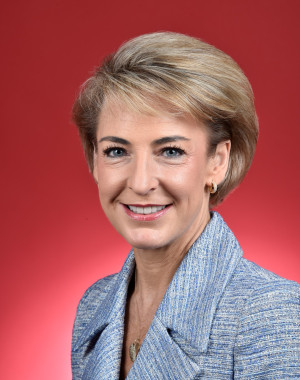
Senator the Hon Michaelia Cash
The Leader of the Opposition in the Senate is chosen by their party or coalition of parties to lead them in the Senate and is the main opposition spokesperson in the Senate.
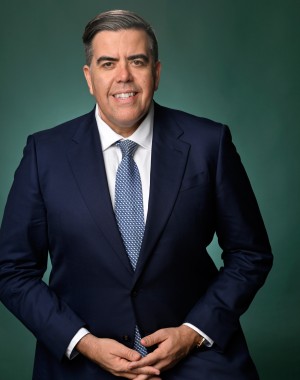
The Speaker sits at the head of the House of Representatives and is responsible for the orderly running of the House.

The President sits at the head of the Senate and is responsible for the orderly running of the Senate.
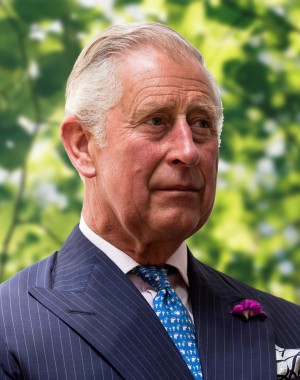
The Australian Constitution establishes the King as Australia's head of state.
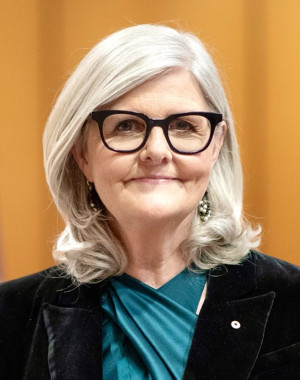
Her Excellency the Honourable Ms Sam Mostyn AC
On the advice of the Australian Prime Minister, the Governor-General is appointed by the King to be their representative in Australia.
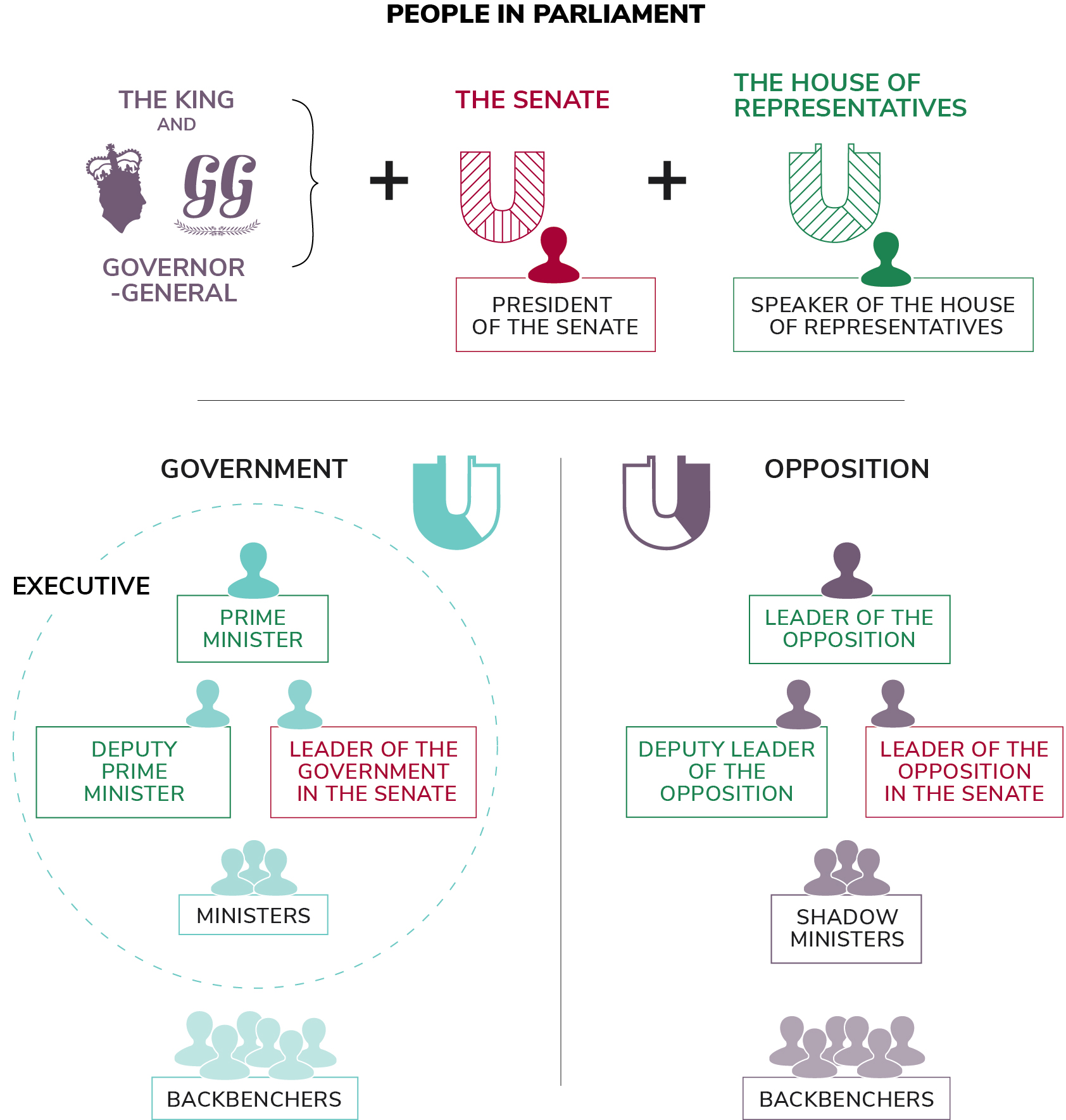
People in Parliament
Parliamentary Education Office (peo.gov.au)
Parliamentary Education Office (peo.gov.au)
This diagram shows a number of positions in the Australian Parliament and how they relate to each other.
The Australian Parliament is made up of:
The President of the Senate runs the meetings of the Senate. The Speaker of the House of Representatives runs the meetings of the House of Representatives.
The Government is made up of:
The Government makes up the Executive, although this does not include government backbenchers.
The Opposition is made up of

This work is licensed under a Creative Commons Attribution-NonCommercial-NoDerivatives 4.0 International License.
You are free to share – copy and redistribute the material in any medium or format.
The licensor cannot revoke these freedoms as long as you follow the license terms.
Attribution – You must give appropriate credit, provide a link to the license, and indicate if changes were made. You may do so in any reasonable manner, but not in any way that suggests the licensor endorses you or your use.
Non-commercial – You may not use the material for commercial purposes.
No derivatives – If you remix, transform, or build upon the material, you may not distribute the modified material.
No additional restrictions – You may not apply legal terms or technological measures that legally restrict others from doing anything the license permits.
Waiver – any of the above conditions can be waived if you get permission from the copyright holder.
These images show the numbers in the Senate and House of Representatives.
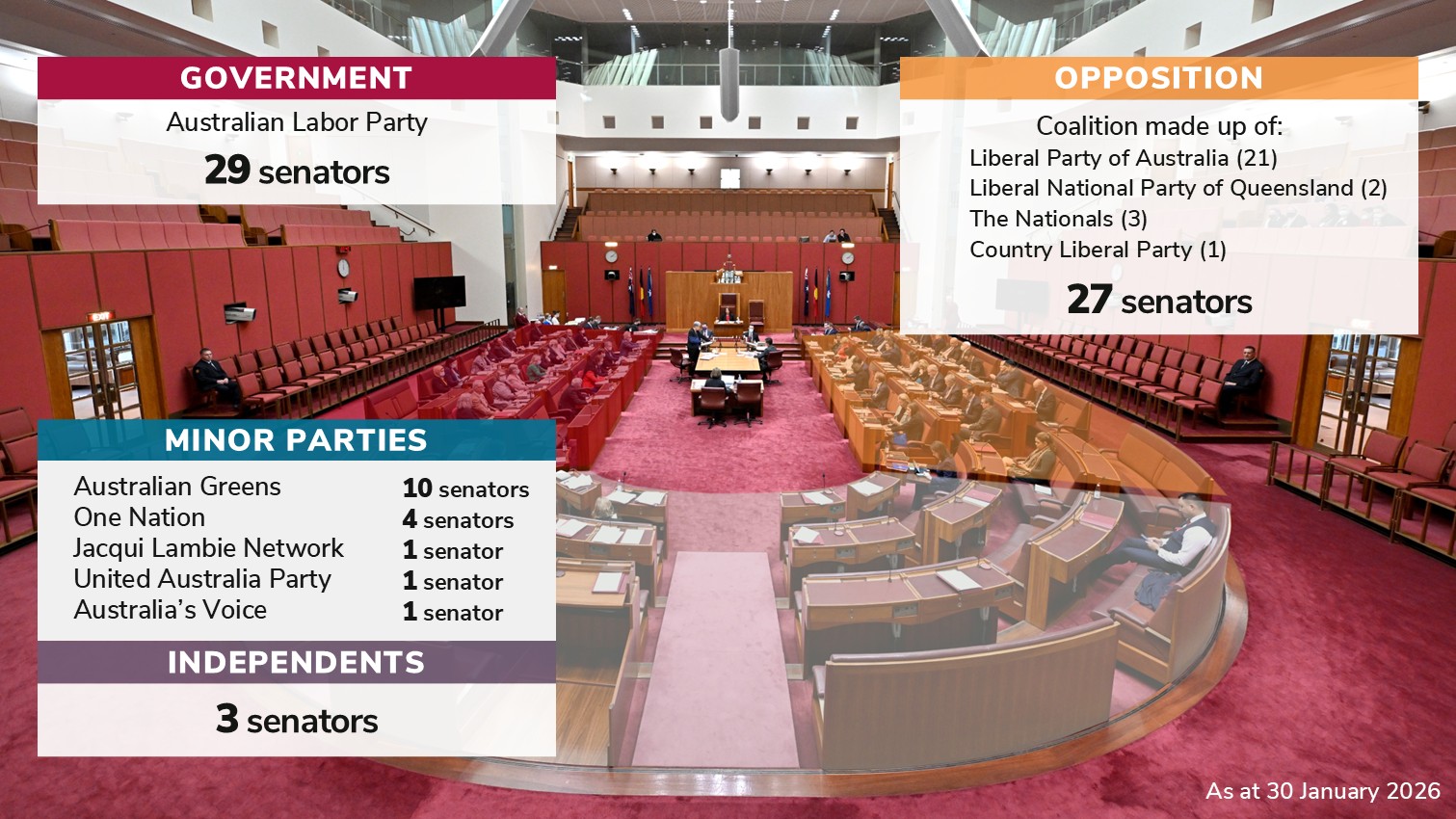
Senate current numbers
DPS AUSPIC/Parliamentary Education Office (peo.gov.au)
DPS AUSPIC/Parliamentary Education Office (peo.gov.au)
The current number of members in the Senate from each party:
As at 15 May 2026
Permission should be sought from DPS AUSPIC for third-party or commercial uses of this image. To contact DPS AUSPIC email: auspic@aph.gov.au or phone: 02 6277 3342.
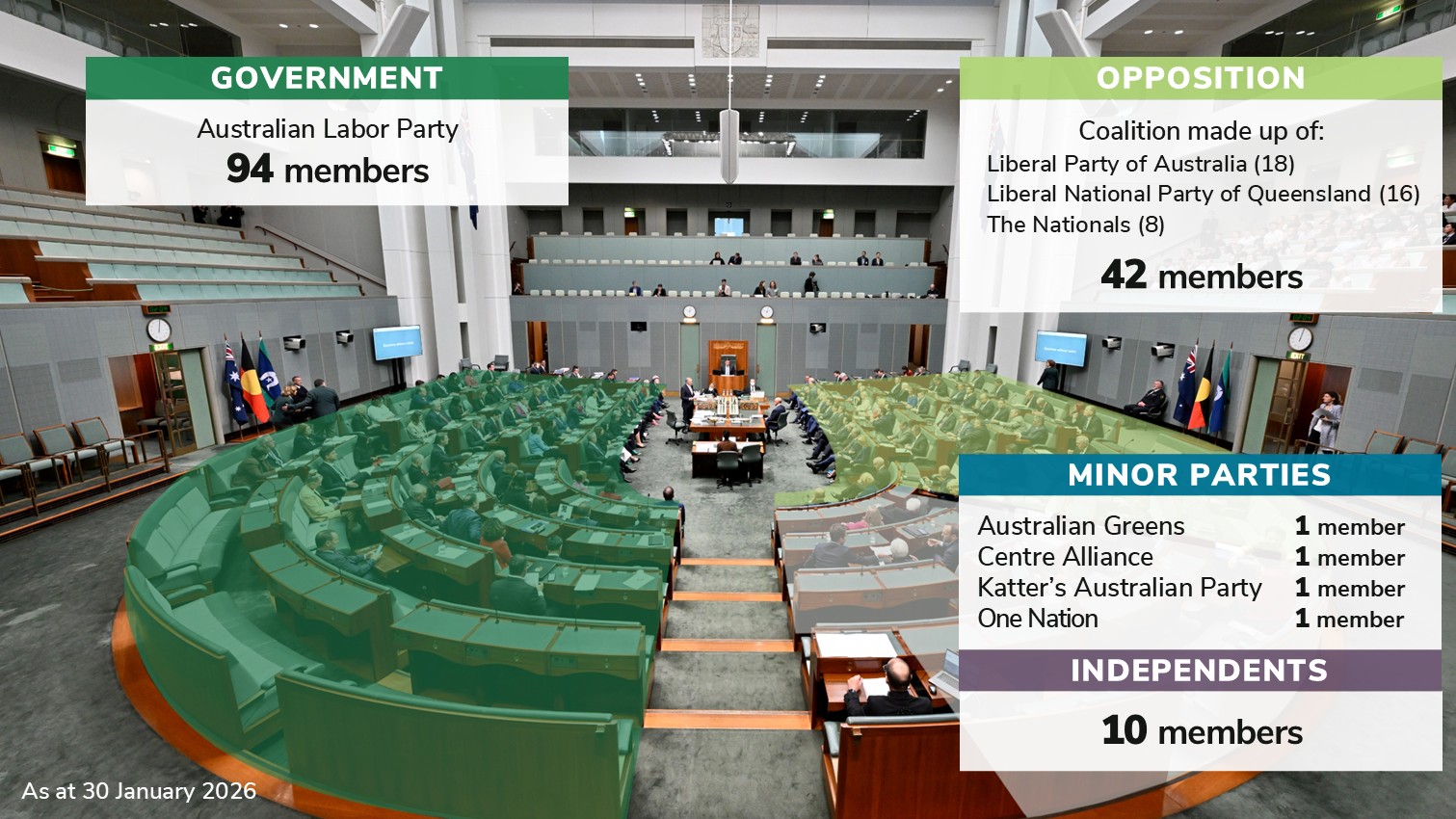
House of Representatives current numbers
DPS AUSPIC/Parliamentary Education Office (peo.gov.au)
DPS AUSPIC/Parliamentary Education Office (peo.gov.au)
The current number of members in the House of Representatives from each party:
As at 28 May 2026
Permission should be sought from DPS AUSPIC for third-party or commercial uses of this image. To contact DPS AUSPIC email: auspic@aph.gov.au or phone: 02 6277 3342.
image - Parliamentary Education Office
image - Parliamentary Education Office
Parliament of Australia website